 Italian
 Arabic
 Chinese
 English
 French
 German
 Portuguese
 Russian
 Spanish
 Turkish
 हिन्दी

Angeles Hartfield
The Versatile 3-Wheel Buggy: A Comprehensive Guide
When it concerns hassle-free transport alternatives, absolutely nothing integrates ease of usage, stability, and maneuverability rather like a three-wheel buggy. These lorries are significantly ending up being a popular choice for parents, elderly individuals, and those with mobility difficulties. This article will provide a thorough look at the 3-wheel buggy, analyzing its advantages, uses, essential factors to consider when selecting one, and addressing some frequently asked concerns.
What is a 3-Wheel Buggy?
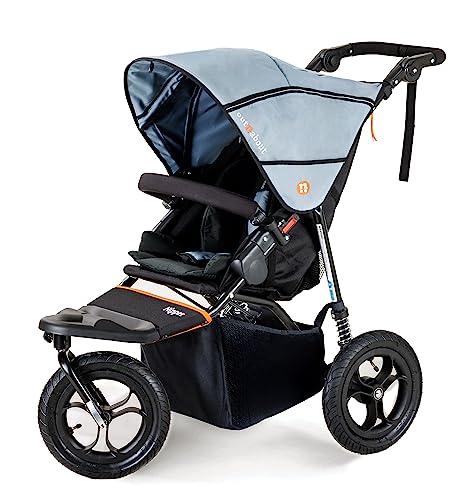
A 3 Wheel Buggy-wheel buggy basically refers to a lightweight, frequently compact, automobile that includes three wheels. While they may carry different names, such as buggies, strollers, or mobility scooters, they share typical qualities: a simplistic design, ease of maneuverability, and versatility for numerous terrains. Below are some common variations of 3-wheel buggies:
TypeDescriptionStrollerDesigned for transporting babies and young children, frequently geared up with safety functions.Mobility ScooterSpecifically created for adults with movement challenges, offering comfy seating and simple steering.JoggerA specialized stroller developed for running, typically including larger rubber wheels.All-TerrainDeveloped for rugged courses, providing larger wheels and enhanced suspension.Advantages of Using a 3-Wheel Buggy
Three-wheel buggies offer numerous advantages that make them a deserving investment:
Stability
The style of a 3-wheel buggy makes sure boosted stability, allowing it to browse uneven surfaces better than conventional four-wheeled choices.
Maneuverability
Their compact size makes them easier to navigate in tight areas, such as crowded parks or busy pathways. The front wheel often pivots, permitting doglegs.
Lightweight Design
Numerous three-wheel buggies are lightweight, making them easy to transport. This element is particularly advantageous for moms and dads on the go or elderly people requiring mobility options.
Versatility
Whether you're walking in the park, exercising, or transitioning from metropolitan streets to rural courses, a 3-wheel buggy can adapt to various environments.
Comfort
The majority of 3-wheel buggies featured comfy seating, cushioning, and functions such as adjustable handlebars, supplying a better general user experience.
Contrast Table: 4-Wheel vs. 3-Wheel BuggiesFunction3-Wheel Buggy4-Wheel BuggyStabilityGreatExcellentManeuverabilityVery HighModerateWeightLightweightNormally HeavierSurface AdaptabilityGreat for irregular surfaceLimited in rough surfaceFoldabilityFrequently more compactCan be bulkierEssential Factors to Consider When Choosing a 3-Wheel Buggy
Selecting the ideal 3-wheel buggy involves thinking about various factors that are customized to private requirements. Here's a list of necessary functions to evaluate:
Weight Capacity
Make sure that the buggy can hold weight appropriate for its intended use, whether it's for a child or a grownup.
Seat Comfort
Examine for cushioned seats, adjustable back support, and comfort features that ensure a smoother ride.
Wheel Size and Design
Various terrains need various wheel types. A jogger must have big, resilient wheels, while a city walk may only require standard wheels.
Braking System
A reputable braking system is essential for safety. Evaluate its efficiency before making a purchase.
Folding Mechanism
For users requiring to transport the buggy, evaluate the folding mechanism for ease and density.
Storage Space
Think about a buggy with sufficient storage alternatives such as baskets or pockets for bring essential items.
Durability
Look for a strong frame and products designed to withstand routine usage and the intended environment.
How to Maintain Your 3-Wheel Buggy
While a 3-wheel buggy is created for durability, regular maintenance can lengthen its life and performance. Here are some simple pointers:
Regular Cleaning: Wipe down material surface areas and make sure wheels are devoid of particles.Tire Maintenance: Check for atmospheric pressure or wear on the wheels routinely to guarantee ideal efficiency.Check Mechanisms: Regularly inspect all moving parts, brakes, and folding systems to ensure they operate correctly.Lubrication: Apply lubricant to wheels and any joints to avoid rust and keep it moving efficiently.Frequently Asked Questions (FAQ)Q1: Who can use a 3-wheel buggy?
A: 3-wheel buggies are appropriate for different individuals, consisting of moms and dads with kids, senior citizens with movement challenges, and fitness lovers. Each type of buggy deals with particular needs.
Q2: Are 3-wheel buggies safe?
A: Yes, supplied they are of great quality and well-kept. Constantly inspect the safety functions like braking systems and harnesses before use.
Q3: Can a 3-wheel buggy handle rough terrain?
A: Some designs, particularly all-terrain and jogging buggies, are developed particularly for rough surface, while others may be much better fit for smooth surface areas.
Q4: Are 3-wheel buggies pricey?
A: Prices can vary widely based on brand name, product, and functions. Budget options are offered, but purchasing a trusted brand typically leads to much better quality and resilience.
Q5: How do I understand what size buggy to buy?
A: Consider who will mainly utilize the buggy and their weight requirements. Always check the maker's requirements for weight capability.
The 3-wheel buggy is a remarkable innovation that offers adaptability, ease of use, and improved mobility. With various types tailored for different requirements, it's no surprise that these buggies are transforming how individuals browse through daily life. When selecting the best design, think about the functions that best satisfy your particular requirements and keep in mind to keep it for extended usage. Whether you're a moms and dad on the go, a fitness enthusiast, or someone in need of a mobility help, a 3-wheel buggy can be an important possession.
When it concerns hassle-free transport alternatives, absolutely nothing integrates ease of usage, stability, and maneuverability rather like a three-wheel buggy. These lorries are significantly ending up being a popular choice for parents, elderly individuals, and those with mobility difficulties. This article will provide a thorough look at the 3-wheel buggy, analyzing its advantages, uses, essential factors to consider when selecting one, and addressing some frequently asked concerns.
What is a 3-Wheel Buggy?
A 3 Wheel Buggy-wheel buggy basically refers to a lightweight, frequently compact, automobile that includes three wheels. While they may carry different names, such as buggies, strollers, or mobility scooters, they share typical qualities: a simplistic design, ease of maneuverability, and versatility for numerous terrains. Below are some common variations of 3-wheel buggies:
TypeDescriptionStrollerDesigned for transporting babies and young children, frequently geared up with safety functions.Mobility ScooterSpecifically created for adults with movement challenges, offering comfy seating and simple steering.JoggerA specialized stroller developed for running, typically including larger rubber wheels.All-TerrainDeveloped for rugged courses, providing larger wheels and enhanced suspension.Advantages of Using a 3-Wheel Buggy
Three-wheel buggies offer numerous advantages that make them a deserving investment:
Stability
The style of a 3-wheel buggy makes sure boosted stability, allowing it to browse uneven surfaces better than conventional four-wheeled choices.
Maneuverability
Their compact size makes them easier to navigate in tight areas, such as crowded parks or busy pathways. The front wheel often pivots, permitting doglegs.
Lightweight Design
Numerous three-wheel buggies are lightweight, making them easy to transport. This element is particularly advantageous for moms and dads on the go or elderly people requiring mobility options.
Versatility
Whether you're walking in the park, exercising, or transitioning from metropolitan streets to rural courses, a 3-wheel buggy can adapt to various environments.
Comfort
The majority of 3-wheel buggies featured comfy seating, cushioning, and functions such as adjustable handlebars, supplying a better general user experience.
Contrast Table: 4-Wheel vs. 3-Wheel BuggiesFunction3-Wheel Buggy4-Wheel BuggyStabilityGreatExcellentManeuverabilityVery HighModerateWeightLightweightNormally HeavierSurface AdaptabilityGreat for irregular surfaceLimited in rough surfaceFoldabilityFrequently more compactCan be bulkierEssential Factors to Consider When Choosing a 3-Wheel Buggy
Selecting the ideal 3-wheel buggy involves thinking about various factors that are customized to private requirements. Here's a list of necessary functions to evaluate:
Weight Capacity
Make sure that the buggy can hold weight appropriate for its intended use, whether it's for a child or a grownup.
Seat Comfort
Examine for cushioned seats, adjustable back support, and comfort features that ensure a smoother ride.
Wheel Size and Design
Various terrains need various wheel types. A jogger must have big, resilient wheels, while a city walk may only require standard wheels.
Braking System
A reputable braking system is essential for safety. Evaluate its efficiency before making a purchase.
Folding Mechanism
For users requiring to transport the buggy, evaluate the folding mechanism for ease and density.
Storage Space
Think about a buggy with sufficient storage alternatives such as baskets or pockets for bring essential items.
Durability
Look for a strong frame and products designed to withstand routine usage and the intended environment.
How to Maintain Your 3-Wheel Buggy
While a 3-wheel buggy is created for durability, regular maintenance can lengthen its life and performance. Here are some simple pointers:
Regular Cleaning: Wipe down material surface areas and make sure wheels are devoid of particles.Tire Maintenance: Check for atmospheric pressure or wear on the wheels routinely to guarantee ideal efficiency.Check Mechanisms: Regularly inspect all moving parts, brakes, and folding systems to ensure they operate correctly.Lubrication: Apply lubricant to wheels and any joints to avoid rust and keep it moving efficiently.Frequently Asked Questions (FAQ)Q1: Who can use a 3-wheel buggy?
A: 3-wheel buggies are appropriate for different individuals, consisting of moms and dads with kids, senior citizens with movement challenges, and fitness lovers. Each type of buggy deals with particular needs.
Q2: Are 3-wheel buggies safe?
A: Yes, supplied they are of great quality and well-kept. Constantly inspect the safety functions like braking systems and harnesses before use.
Q3: Can a 3-wheel buggy handle rough terrain?
A: Some designs, particularly all-terrain and jogging buggies, are developed particularly for rough surface, while others may be much better fit for smooth surface areas.
Q4: Are 3-wheel buggies pricey?
A: Prices can vary widely based on brand name, product, and functions. Budget options are offered, but purchasing a trusted brand typically leads to much better quality and resilience.
Q5: How do I understand what size buggy to buy?
A: Consider who will mainly utilize the buggy and their weight requirements. Always check the maker's requirements for weight capability.
The 3-wheel buggy is a remarkable innovation that offers adaptability, ease of use, and improved mobility. With various types tailored for different requirements, it's no surprise that these buggies are transforming how individuals browse through daily life. When selecting the best design, think about the functions that best satisfy your particular requirements and keep in mind to keep it for extended usage. Whether you're a moms and dad on the go, a fitness enthusiast, or someone in need of a mobility help, a 3-wheel buggy can be an important possession.
