 Italian
 Arabic
 Chinese
 English
 French
 German
 Portuguese
 Russian
 Spanish
 Turkish
 हिन्दी

Johnnie Speed
A Comprehensive Guide to Buying Drills: What You Need to Know
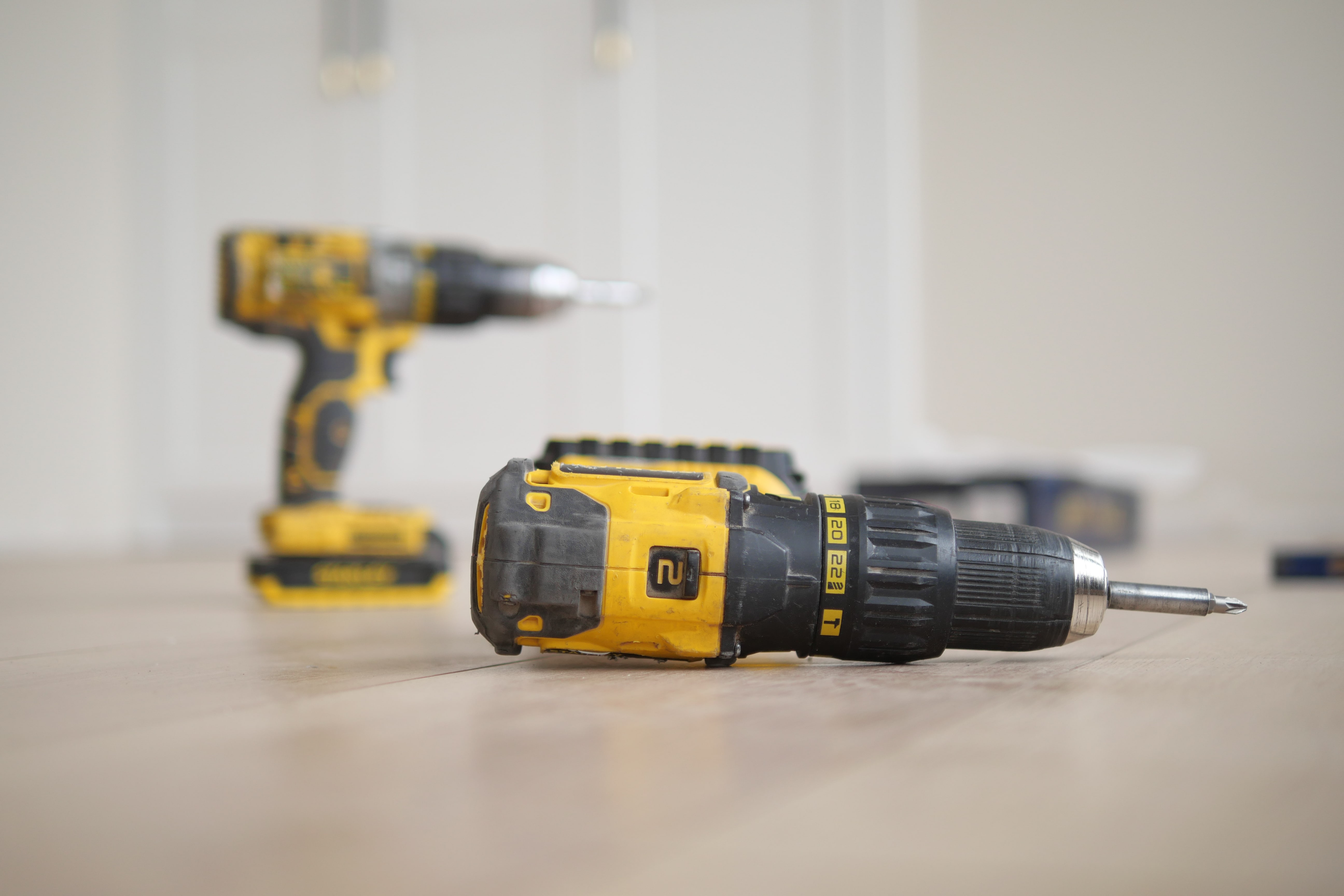
When it comes to home improvement tasks, tool selection can significantly influence the result of your work. Amongst the essential tools, drills stand out as essential for both DIY lovers and professional contractors. Whether you're putting together furnishings, installing components, or crafting intricate designs, a quality drill will make the job simpler, faster, and more efficient. This post provides a thorough look at drills, assisting you comprehend the various types offered, what to consider when buying one, and answers some often asked questions.
Understanding Different Types of Drills
Before diving into the purchasing procedure, it's important to comprehend the different types of drills offered on the marketplace. Each has its unique functions customized for specific jobs. Here's a table summarizing the primary types of drills:
Type of DrillDescriptionBest Suited ForCorded DrillPowered straight through an electrical outlet.Sturdy work, extended usage.Cordless DrillPowered by rechargeable batteries, offering portability.General home jobs.Hammer DrillIntegrates rotary movement with a hammering action.Masonry, concrete, and brick.Impact DrillProvides high torque for driving screws and fasteners.Heavy-duty securing tasks.Rotary HammerUses a piston mechanism to deliver effective blows.Drilling into solid materials.Right-angle DrillHas a 90-degree angle for drilling tight areas.Operating in confined areas.Secret Features to Consider When Buying a Drill
When picking the best drill, a number of factors enter play. Here's an in-depth list of important functions to consider:
Power Source:
Corded vs. Cordless: Choose a corded drill for continuous power throughout substantial tasks or a cordless choice for mobility.
Voltage:
Higher voltage usually means more power. Common voltage scores for cordless drills include 12V, 18V, and 20V. Choose according to your anticipated use.
Chuck Size:
The chuck size (determined in inches) defines the size of bits you can use. Requirement chuck sizes are 1/2 inch and 3/8 inch.
Speed and Torque Settings:
Look for drills with variable speed settings and adjustable torque to accommodate various products and jobs.
Functions and Accessories:
Keyless chuck, built-in LED light, and multiple speed settings can enhance convenience and use.Think about purchasing a drill package that includes bits and other accessories.
Weight and Ergonomics:
A light-weight drill with an ergonomic style lowers fatigue throughout prolonged usage.
Toughness and Build Quality:
Check for quality products that ensure the longevity of your drill. Try to find reputable brands understood for robust styles.Where to Buy Drills
Finding the ideal seller is crucial for getting the best drill at a great price. Here are some alternatives:
Local Hardware Stores: Offers hands-on experience and personalized suggestions from personnel.Home Improvement Centers: Large choices from several brands for comparison shopping.Online Retailers: Convenient and often provide customer reviews to help direct your choice.Retailer TypeBenefitsDownsidesRegional Hardware StoresCustomized service, capacity for instant pickup.Minimal choice might lead to greater costs.Home Improvement CentersVariety of alternatives and in-store assistance.Can be crowded, impacting the shopping experience.Online RetailersConvenient shopping, customer reviews, and often lower costs.Shipping expenses and time might delay use.Frequently Asked Questions1. What is the very best drill for home usage?
For home usage, a cordless drill with adjustable torque settings and a voltage of 18V or 20V is typically perfect. It can deal with different jobs, from easy assembly to minor repairs.
2. How do I maintain my drill?
Regular cleaning and examination of parts such as the chuck and battery are vital. Make sure the drill is kept in a dry place and the bits are kept sharp for optimal efficiency.
3. Can I utilize a hammer drill for wood?
While hammer drills stand out at masonry, they can also drill into wood. However, it is recommended to utilize basic drills for wood to prevent damaging the product.
4. What drill bits should I have?
Having a range of drill bits, including wood, metal, and masonry bits, is beneficial. A thorough drill bit set can assist you attend to different task requirements.
5. Just how much should I anticipate to invest in a good drill?
Rates for quality drills can begin as low as ₤ 50 and go up to ₤ 300 or more, depending on the brand, type, and features. It's finest to consider your usage level and spending plan when choosing.
6. Should I buy a drill package or simply the drill?
A drill set typically includes essential accessories, making it a beneficial financial investment, specifically for newbies. Consider what jobs you'll perform and what extra tools you may require.
Investing in a quality drill tailored to your requirements can revolutionize your DIY or professional tasks. By understanding the kinds of drills, their functions, and the alternatives for buying, you'll make a knowledgeable choice. With the best drill in hand, Bohrmaschinen you can tackle a large range of tasks with speed and precision, turning your imaginative visions into reality. Happy drilling!
