 Italian
 Arabic
 Chinese
 English
 French
 German
 Portuguese
 Russian
 Spanish
 Turkish
 हिन्दी

Wilton Bucher
The Ultimate Guide to Prams and Pushchairs: Choosing the Right One for You
When expecting moms and dads embark on the journey of preparing for a new arrival, among the most crucial purchases is frequently a pram or pushchair. With countless choices available, picking the best one can feel overwhelming. This article aims to provide a detailed summary of the various types of prams and pushchairs, their features, and what considerations to bear in mind when making your option.
Comprehending the Basics
Before diving into the specifics, it's vital to clarify the terms "pram" and "pushchair." While these 2 are frequently utilized interchangeably, there are crucial differences:
Prams: Typically developed for newborns, prams use a flat lying position. They are commonly used for babies who can not sit up unassisted.
Pushchairs: Suitable for older babies who can sit up, pushchairs use different seating positions and are generally more versatile and light-weight.
Here's a table detailing the primary differences:
FeaturePramsPushchairsSuitable AgeNewborn to 6 months6 months to 4 yearsSeating PositionFlat lyingNumerous positions (upright, reclined)WeightMuch heavier due to sturdinessLighter and more portableStyleTimeless and stylishFunctional and contemporaryManeuverabilityLess maneuverableExtremely maneuverableFoldabilityOften not foldableUsually foldable for storageTypes of Prams and Pushchairs1. Standard Prams
These timeless designs are developed primarily for babies. They include a deep, flat carrycot that enables newborns to lie entirely flat, which is essential for their spinal development.
2. Travel Systems
Travel systems integrate a pram with a cars and truck seat that can easily attach to the chassis. This option is incredibly practical for parents who regularly travel by automobile, permitting a smooth transition from the car to the stroller.
3. Umbrella Pushchairs
Lightweight and compact, umbrella pushchairs are perfect for fast errands or trips. They fold easily and are perfect for parents on the go. However, they generally lack a few of the toughness and functions discovered in larger designs.
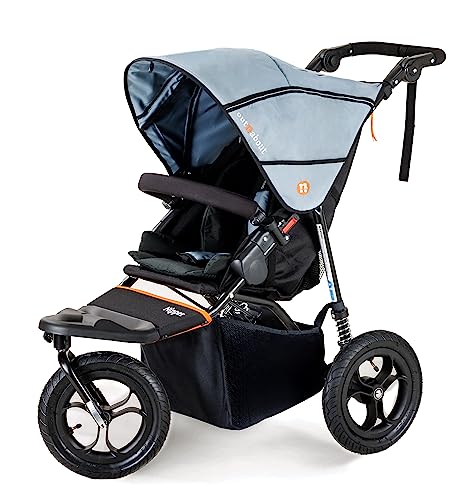
4. Jogging Strollers
Created for active parents, jogging strollers have three wheels for exceptional stability and efficiency on a range of surfaces. They provide outstanding suspension and are geared up with safety features for workout.
5. Convertible Strollers
Convertible strollers can be adapted to fit the growing needs of a child. They can transform from a single to a double stroller, making them a versatile option for families with numerous kids.
6. All-Terrain Strollers
If you enjoy outdoor activities, all-terrain strollers feature rugged wheels and robust suspension systems. They are designed to deal with bumpy courses and numerous kinds of surface, making them perfect for adventurous moms and dads.
What to Consider When Buying a Pram or Pushchair
When choosing a pram or pushchair, numerous elements need to be taken into consideration to ensure you select the best choice for your household.
1. Age and Weight of Your Child
Consider your child's present age and weight and how they might grow. Some models accommodate newborns up to toddlers, while others are created for older kids just.
2. Lifestyle
If you lead an active lifestyle or frequently travel, light-weight and foldable designs might be better. Alternatively, if you enjoy taking long strolls in parks, an all-terrain or jogging stroller may be a much better fit.
3. Budget
Prices can differ significantly, so it's necessary to have a budget plan in mind. While pricey does not constantly imply much better, it's smart to invest in quality and safety functions.
4. Security Features
Inspect for essential security functions such as a five-point harness, brakes, and tough construction. Always prioritize security when choosing a pram or pushchair.
5. Storage and Portability
If you prepare to use public transport or have a small lorry, try to find models that fold quickly and have hassle-free storage options.
6. Maneuverability
Check the maneuverability by pushing the pram or pushchair in the shop. Guarantee it feels comfy and provides good control.
Often Asked Questions (FAQ)Q: How long can I utilize a pram or pushchair?
A: Most prams and pushchairs can be used from birth till the child is around 4 years old. Some designs accommodate weights as much as 50 pounds or more.
Q: Can I use a pushchair for a newborn?
A: Some pushchairs feature a flat recline function or a suitable carrycot for newborns. Always check the manufacturer's guidelines.
Q: Is it worth buying a travel system?
A: Travel systems offer convenience and ease of usage, especially for parents who often drive. They can conserve effort and time when transitioning from car to stroller.
Q: How do I tidy and keep my pram or pushchair?
A: Regular cleaning is vital. The majority of material parts can be removed and device cleaned, while the frame can usually be cleaned down with a wet fabric. Constantly describe the care guidelines provided.
Q: What is the very best type of stroller for city living?
A: In urban settings, umbrella pushchairs or light-weight strollers are generally chosen for their compact size, ease of maneuverability, and mobility.
Choosing the ideal pram or pushchair can significantly improve the experience of parenting a kid. By understanding the different types readily available, considering your family's way of life, and weighing important features, parents can make educated choices. Whatever option you make, focus on security, comfort, and ease of usage to ensure satisfying outings with your little one. With the right pram or pushchair, checking out the world with your child can be a jubilant experience.
When expecting moms and dads embark on the journey of preparing for a new arrival, among the most crucial purchases is frequently a pram or pushchair. With countless choices available, picking the best one can feel overwhelming. This article aims to provide a detailed summary of the various types of prams and pushchairs, their features, and what considerations to bear in mind when making your option.
Comprehending the Basics
Before diving into the specifics, it's vital to clarify the terms "pram" and "pushchair." While these 2 are frequently utilized interchangeably, there are crucial differences:
Prams: Typically developed for newborns, prams use a flat lying position. They are commonly used for babies who can not sit up unassisted.
Pushchairs: Suitable for older babies who can sit up, pushchairs use different seating positions and are generally more versatile and light-weight.
Here's a table detailing the primary differences:
FeaturePramsPushchairsSuitable AgeNewborn to 6 months6 months to 4 yearsSeating PositionFlat lyingNumerous positions (upright, reclined)WeightMuch heavier due to sturdinessLighter and more portableStyleTimeless and stylishFunctional and contemporaryManeuverabilityLess maneuverableExtremely maneuverableFoldabilityOften not foldableUsually foldable for storageTypes of Prams and Pushchairs1. Standard Prams
These timeless designs are developed primarily for babies. They include a deep, flat carrycot that enables newborns to lie entirely flat, which is essential for their spinal development.
2. Travel Systems
Travel systems integrate a pram with a cars and truck seat that can easily attach to the chassis. This option is incredibly practical for parents who regularly travel by automobile, permitting a smooth transition from the car to the stroller.
3. Umbrella Pushchairs
Lightweight and compact, umbrella pushchairs are perfect for fast errands or trips. They fold easily and are perfect for parents on the go. However, they generally lack a few of the toughness and functions discovered in larger designs.
4. Jogging Strollers
Created for active parents, jogging strollers have three wheels for exceptional stability and efficiency on a range of surfaces. They provide outstanding suspension and are geared up with safety features for workout.
5. Convertible Strollers
Convertible strollers can be adapted to fit the growing needs of a child. They can transform from a single to a double stroller, making them a versatile option for families with numerous kids.
6. All-Terrain Strollers
If you enjoy outdoor activities, all-terrain strollers feature rugged wheels and robust suspension systems. They are designed to deal with bumpy courses and numerous kinds of surface, making them perfect for adventurous moms and dads.
What to Consider When Buying a Pram or Pushchair
When choosing a pram or pushchair, numerous elements need to be taken into consideration to ensure you select the best choice for your household.
1. Age and Weight of Your Child
Consider your child's present age and weight and how they might grow. Some models accommodate newborns up to toddlers, while others are created for older kids just.
2. Lifestyle
If you lead an active lifestyle or frequently travel, light-weight and foldable designs might be better. Alternatively, if you enjoy taking long strolls in parks, an all-terrain or jogging stroller may be a much better fit.
3. Budget
Prices can differ significantly, so it's necessary to have a budget plan in mind. While pricey does not constantly imply much better, it's smart to invest in quality and safety functions.
4. Security Features
Inspect for essential security functions such as a five-point harness, brakes, and tough construction. Always prioritize security when choosing a pram or pushchair.
5. Storage and Portability
If you prepare to use public transport or have a small lorry, try to find models that fold quickly and have hassle-free storage options.
6. Maneuverability
Check the maneuverability by pushing the pram or pushchair in the shop. Guarantee it feels comfy and provides good control.
Often Asked Questions (FAQ)Q: How long can I utilize a pram or pushchair?
A: Most prams and pushchairs can be used from birth till the child is around 4 years old. Some designs accommodate weights as much as 50 pounds or more.
Q: Can I use a pushchair for a newborn?
A: Some pushchairs feature a flat recline function or a suitable carrycot for newborns. Always check the manufacturer's guidelines.
Q: Is it worth buying a travel system?
A: Travel systems offer convenience and ease of usage, especially for parents who often drive. They can conserve effort and time when transitioning from car to stroller.
Q: How do I tidy and keep my pram or pushchair?
A: Regular cleaning is vital. The majority of material parts can be removed and device cleaned, while the frame can usually be cleaned down with a wet fabric. Constantly describe the care guidelines provided.
Q: What is the very best type of stroller for city living?
A: In urban settings, umbrella pushchairs or light-weight strollers are generally chosen for their compact size, ease of maneuverability, and mobility.
Choosing the ideal pram or pushchair can significantly improve the experience of parenting a kid. By understanding the different types readily available, considering your family's way of life, and weighing important features, parents can make educated choices. Whatever option you make, focus on security, comfort, and ease of usage to ensure satisfying outings with your little one. With the right pram or pushchair, checking out the world with your child can be a jubilant experience.
